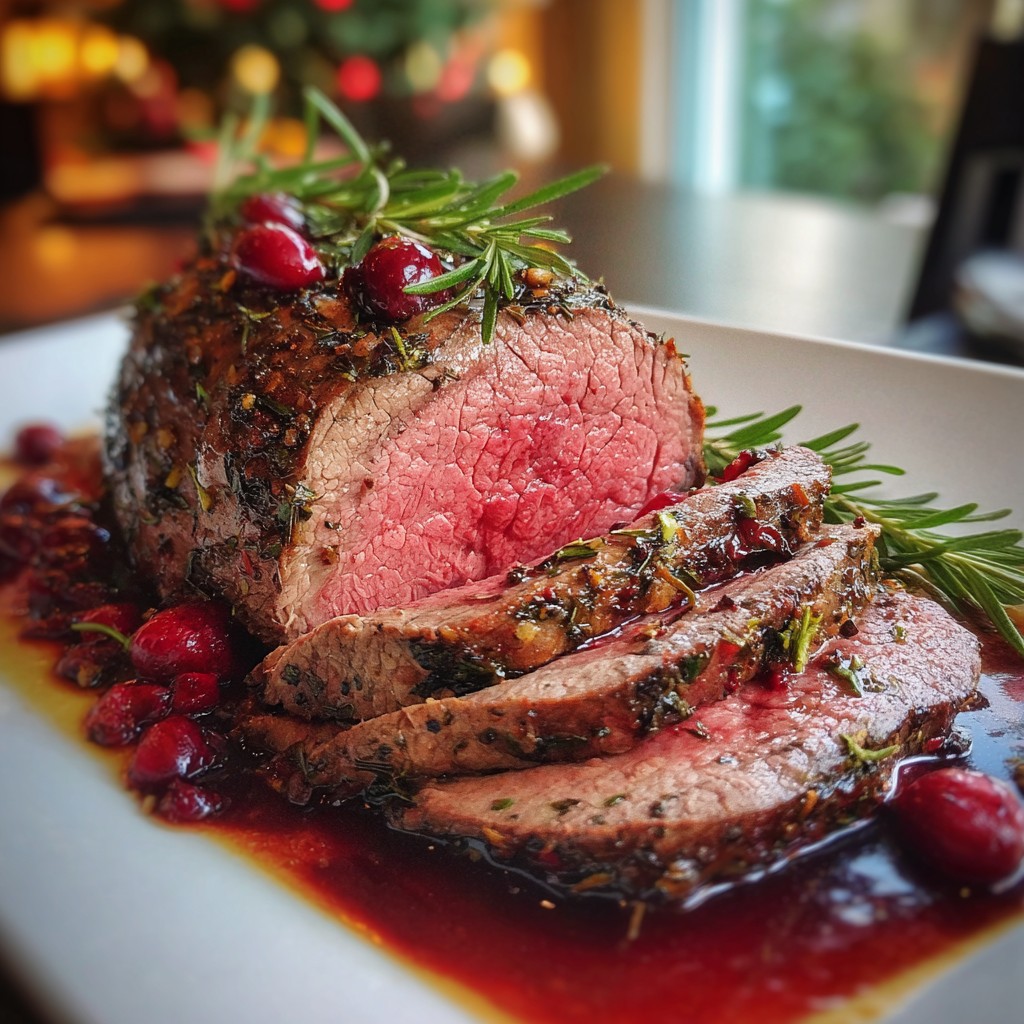
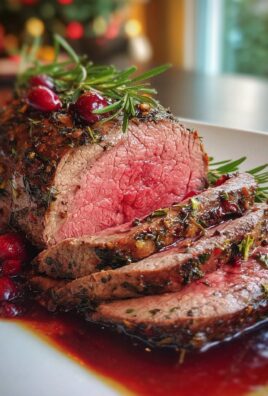
So, You Wanna Roast a Beef Tenderloin for the Holidays?
Alright, so let me just say up front: I never used to attempt this kind of fancy-looking roast for holidays. Nope. Growing up, Christmas meant ham, or honestly, that questionable turkey from the discount freezer that Dad would attempt (emphasis on attempt) to make magical. But one year, after my uncle nearly set off the smoke detector with his deep-fried experiment, I decided it was time for something different. Enter: beef tenderloin. Turns out, it’s not nearly as intimidating as it looks, and now it’s become my low-stress high-reward holiday ace in the hole. I’ve made a ton of mistakes with it—there was one year it came out a bit, um, chewy. But I learned. Sometimes, I even impress myself.
Anyway. Every time I pull this out of the oven, someone turns into a food poet at the table and can’t stop talking about how “restaurant quality” it is. Oh, and don’t worry—it’s not one of those recipes where you need to quit your day job to master it. Promise.
Why This Is a Winner (aka Reasons My Family Now Demands It)
I make this when: a) company is coming and I want to appear as though I have my life together or b) frankly, when I want leftovers (I swear cold slices in a sandwich the next day are criminally underrated). My family goes nuts for this because it’s super tender—like, you-could-eat-it-with-a-spoon tender (not that you should). Even my cousin Ginny, who’s suspicious of anything pink in the center, is first in line (though she will still sneak it back in the oven for a few minutes, but hey, to each their own). The best part is, you don’t need to stand over the stove for hours. Set it up, sneak a glass of wine, and let the oven work its magic.
Also, full disclosure: I can’t always find the exact size tenderloin I want, and the price…let’s not talk about that. Luckily, this works well even if you need to grab a smaller—or, on one lucky day, a monster-sized—cut.
What You’ll Need (Plus a Few Cheeky Substitutions)
- 1 whole beef tenderloin (about 4-5 lbs is my go-to, but I’ve done a 3-pounder for a smaller crowd)
- 3 tablespoons olive oil (if I’m out, melted butter lends a lovely richness)
- 2 tablespoons kosher salt (I once used sea salt when I ran out; you’d survive)
- 2 teaspoons freshly cracked black pepper (pre-ground works, though not as punchy—my grandma would protest, but you do you!)
- 1 tablespoon Dijon mustard (I sometimes swap in good ol’ yellow mustard if feeling nostalgic, and no one ever noticed)
- 2-3 garlic cloves, smashed (jarred garlic in a pinch, but shh, don’t tell anyone)
- Fresh herbs: handful of thyme & rosemary (dried is okay if necessary, but cut the amount in half—one time I didn’t, and wow, it was…herby)
- Kitchen string (or honestly, I once used unwaxed dental floss in a bind—worked fine!)
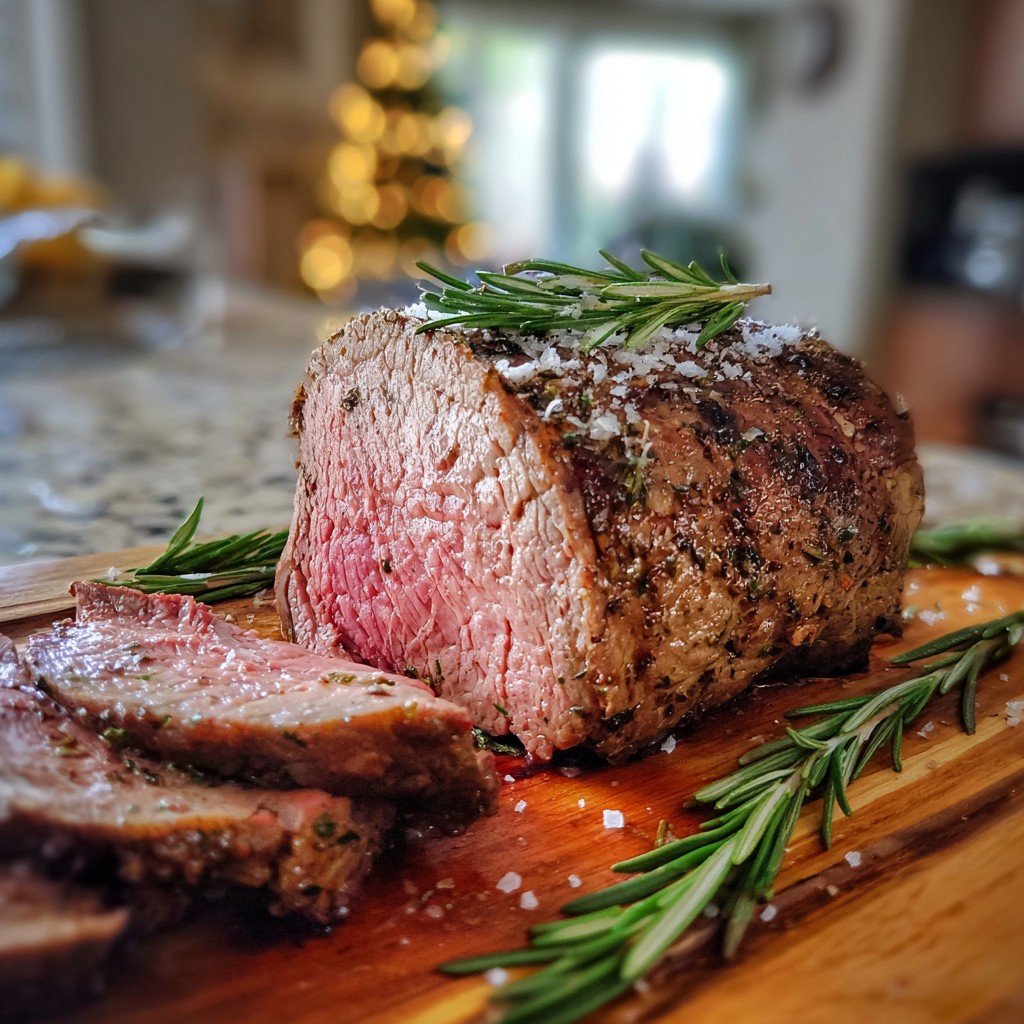
How the Magic Happens (AKA Directions)
- Take the beef out of the fridge for 30–45 minutes—nothing crazy, just enough so it’s not fridge-cold. I always forget this step then panic, but it seems to work alright if it’s not exact.
- Preheat your oven to 475°F (245°C). No, that’s not a typo—it really does need to be that hot at first.
- If your tenderloin isn’t already trimmed, just cut off the silver skin (the silvery, kinda tough bit), but if you leave a bit, no one will judge you. I promise, first time I did this I left some on and, honestly, didn’t ruin dinner.
- Pat the beef dry with paper towels (sometimes I skip this part if I’m in a rush, but it’s worth it for that crust).
- Now, tie the beef with kitchen string in 2-inch intervals. The first time, I messed this up and it looked more like a lumpy sausage, but it cooked fine anyway.
- Mix olive oil, salt, pepper, mustard, garlic, and finely chopped herbs. Rub this all over the beef—don’t be shy. This is where I usually sneak a taste (off my fingers, judge me later).
- Place tenderloin on a rack in a roasting pan. No rack? I sometimes use chopped onions or carrots underneath and call it ‘rustic.’ Works double-duty for flavor.
- Roast at 475°F for 15 minutes, then drop the temp to 400°F (200°C) and roast for another 20–25 minutes for medium-rare (about 125°F/52°C in the thickest part). If you don’t have a meat thermometer…well, you’ll be playing the classic how-done-is-it guessing game, but I’ve survived with just a poking test once or twice.
- Let it rest, tented loosely with foil, for at least 15-20 minutes—seriously, don’t skip this, or you’ll watch all those juices run away like they’ve got a cab waiting outside.
- Slice, serve, and act like you do this every weekend. Or just take a minute to nibble a sneaky end bit first (I always do, oops—cook’s privilege).
Real-Life Notes (What I Learned the Dumb Way)
- I once attempted to roast it entirely at high heat because I was running late—outer crust was great, inside was basically rare roast beef. Maybe you like that? I do not.
- Don’t skip the resting. I used to think the meat would get cold, but the interior stays warm and juicy—plus, it gives you time to sneak those little crispy bits when no one’s watching.
- Trim off the string before serving; otherwise, you get those “what’s this chewy bit?” questions from the peanut gallery.
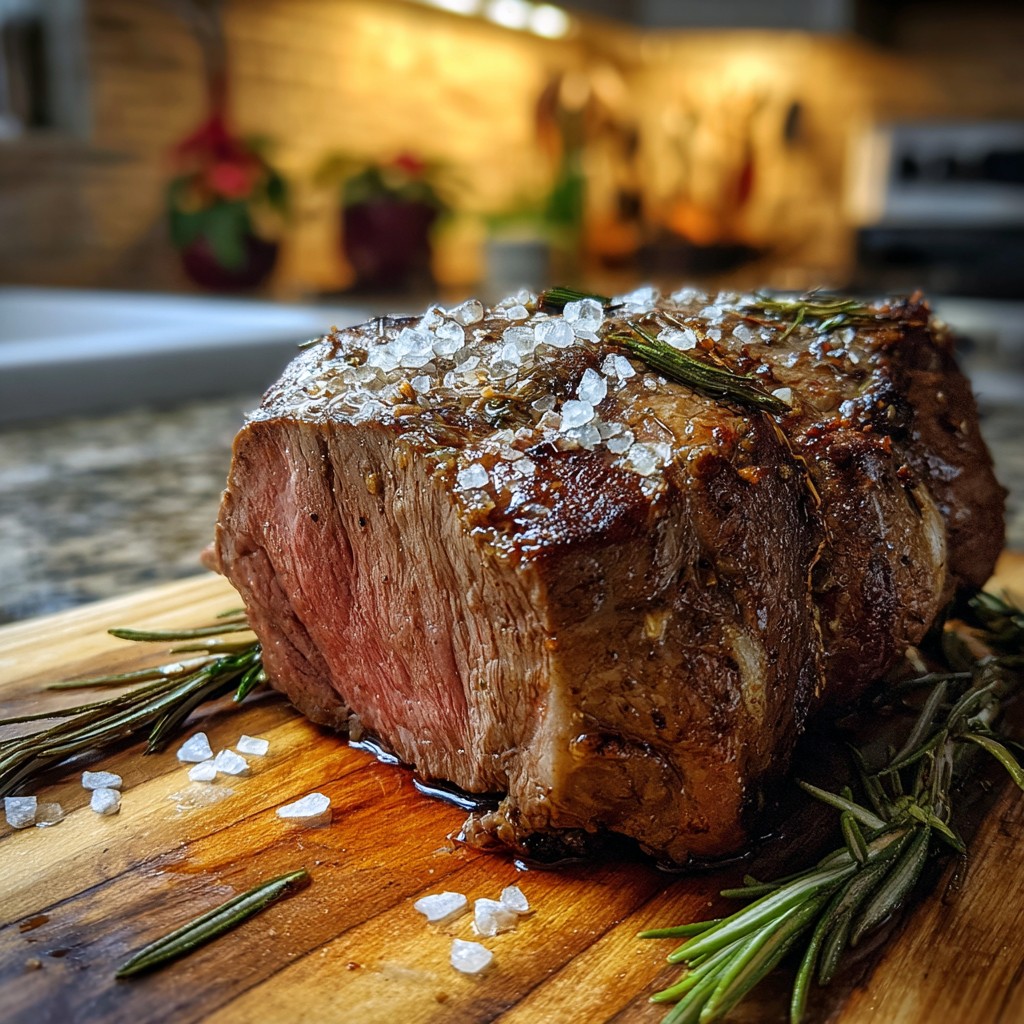
Variations (Some Winners, One Flop)
- Sometimes I make a quick horseradish cream (sour cream, prepared horseradish, salt, and pepper) if I want to seem extra fancy.
- I’ve swapped the herbs for a spice rub—smoked paprika, a bit of chili powder. Way more BBQ-ish, but surprisingly good.
- Tried marinating it overnight in red wine once. Result: kinda mushy texture. Not my best. Learn from my mistake!
If You Don’t Have the Right Equipment
I always see recipes insisting you need a roasting rack, but honestly, I pile up some carrots, onions, or celery (the holy trinity of “what’s in my fridge?”). And, if you don’t have a meat thermometer, poke the meat: if it’s got some spring but isn’t jiggly, it’s probably good. Sometimes, I tap it with a fork and go totally by feel. Bit rogue, but somebody’s got to live dangerously.
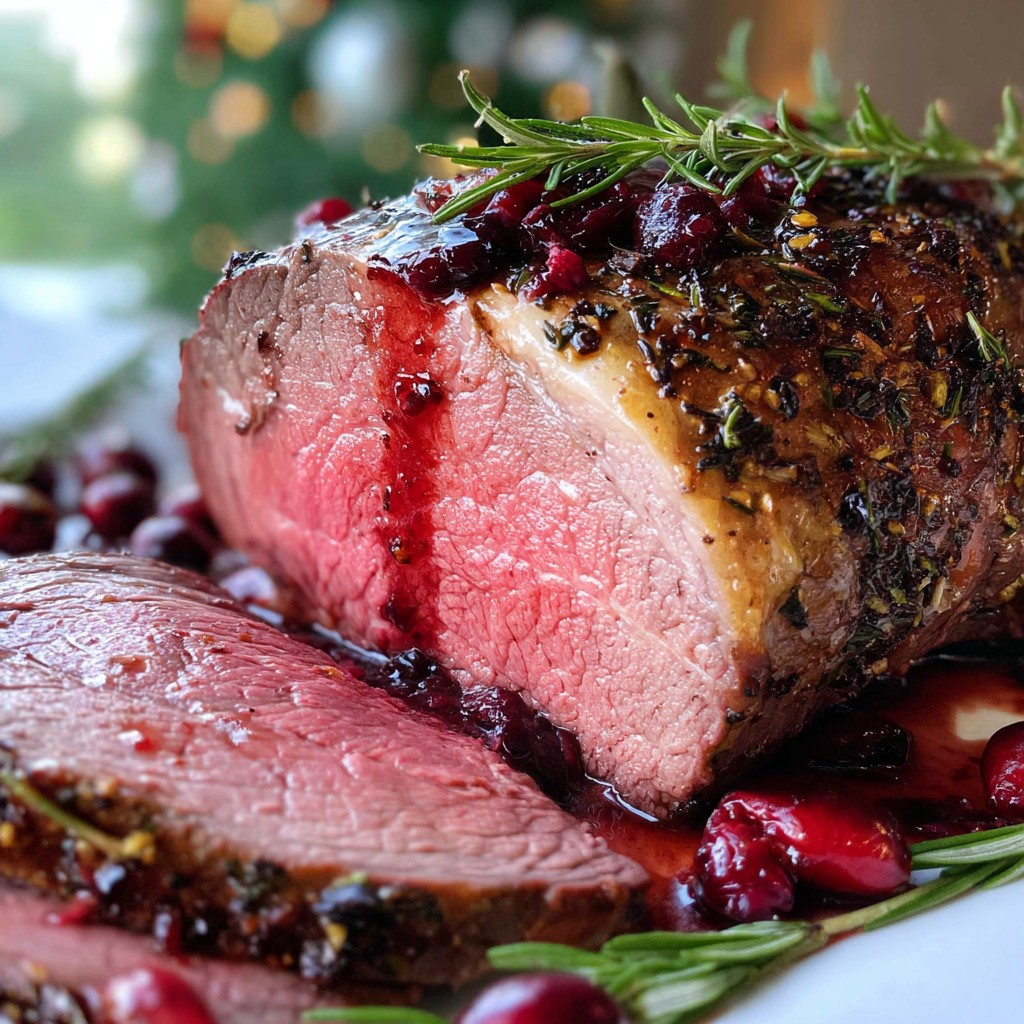
Storing Leftovers (If That’s Even a Thing in Your House)
Wrap leftovers tightly in foil or an airtight container. Should hold in the fridge for about 2-3 days—though honestly, in my house, it never lasts that long. My partner seems to think ‘leftover beef’ means ‘open invitation to 2am fridge raids.’ Can’t say I blame him.
How I Like to Serve It (and a Family Quirk)
I think it’s best served with simple roasted potatoes and something green—maybe green beans with lots of cracked pepper. Around here, someone (usually me) will insist on Yorkshire pudding, even if that’s technically not traditional for Christmas. Or, sometimes, I just set out a bunch of little sauces like horseradish cream (this one is gold) and herb butter. Oh—pro tip: don’t forget a big, bold red wine. We’ve had much debate over which is best, but Wine Folly has you covered if you can’t decide.
Funny side note: The dog also sits at my feet the entire time, drooling, so you know it smells good.
Lessons Learned (Aka: Don’t Be Me)
- I once tried carving too soon. Massive juice loss, looked impressive but tasted like regret. Let it rest!
- If you use dried herbs, cut them with your hands or crush them—otherwise, you get weird chewy bits that stick in your teeth. Not classy.
- Don’t crank the oven after 10pm if you live in an old building. Ask me how I know (smoky apartments are no one’s idea of festive cheer).
FAQ From Friends & Family (And Maybe You Too?)
- Can I make this ahead? I probably wouldn’t roast it ahead, but you can season and tie it the day before. The flavor actually gets better!
- Does it have to be beef tenderloin? Not at all; you could use a striploin, but honestly, don’t expect the same melt-in-your-mouth thing. Could be tasty, just different.
- How do you keep it from drying out? Oh, good question! I think the high heat at the start seals in juices (like the cookbooks always say), but really, not overcooking is key. Use a thermometer—or go by gut, though that’s definitely more stress.
- Any sauce ideas? Glad you asked! Horseradish cream is a go-to, but honestly, red wine pan sauce is a crowd-pleaser and not tough once you’ve done it once or twice.
- Is there a dairy-free swap? Yep! Just use olive oil instead of butter if you’re doing the rub, and skip the cream-based sauces. Easy peasy.
Ingredients
- 1 (4-pound) whole beef tenderloin, trimmed and tied
- 2 tablespoons olive oil
- 2 teaspoons kosher salt
- 1 teaspoon freshly ground black pepper
- 2 cloves garlic, minced
- 1 tablespoon fresh rosemary, chopped
- 1 tablespoon fresh thyme, chopped
- 2 tablespoons Dijon mustard
Instructions
-
1Preheat your oven to 450°F (230°C). Let the beef tenderloin sit at room temperature for 30 minutes before roasting.
-
2Pat the beef tenderloin dry with paper towels. Rub the entire surface with olive oil, salt, pepper, and minced garlic.
-
3In a small bowl, combine chopped rosemary, thyme, and Dijon mustard. Coat the tenderloin with this herb-mustard mixture.
-
4Place the beef on a rack set in a roasting pan. Roast for 20 minutes, then reduce oven temperature to 350°F (175°C) and continue roasting for another 20–25 minutes, or until an instant-read thermometer registers 130°F (54°C) for medium-rare.
-
5Remove the tenderloin from the oven and tent loosely with foil. Let it rest for at least 15 minutes before slicing and serving.
Approximate Information for One Serving
Nutrition Disclaimers
Number of total servings shown is approximate. Actual number of servings will depend on your preferred portion sizes.
Nutritional values shown are general guidelines and reflect information for 1 serving using the ingredients listed, not including any optional ingredients. Actual macros may vary slightly depending on specific brands and types of ingredients used.
To determine the weight of one serving, prepare the recipe as instructed. Weigh the finished recipe, then divide the weight of the finished recipe (not including the weight of the container the food is in) by the desired number of servings. Result will be the weight of one serving.
Did you make this recipe?
Please consider Pinning it!!
Leave a Comment