
Alright, let’s get this out of the way: I did not discover cottage cheese flatbread while climbing mountains or anything glamorous like that. Nope, this one showed up on a rainy Tuesday when the bread bin had nothing but a lonely crust, and I was hungry for something more cheerful than dry toast. One frantic fridge-forage later—and a little bit of kitchen panic—I mashed up this easy cottage cheese flatbread… and, well, it’s now become a bit of a staple in my house. (My brother says it ‘tastes like a cloud and a pancake had a baby’ which, okay, fair enough.)
Why You’ll Want to Make This, Seriously
I make this whenever I forget to buy ‘real’ bread (which is embarrassingly often), or when everyone’s ‘over’ toast but I need a carrier for whatever random toppings I’ve got lying around. My family goes wild for these, especially if I sneak in a pinch of garlic or pile them with avocado. Oh, and they don’t stick or rip apart which is a total win—I used to try making wraps with store stuff and oh boy, the mess…
(Just a heads up, if you’re expecting this to taste totally like traditional flatbread, it’s not quite the same… but that’s sort of the fun.)
What You’ll Need to Throw In (and What I Swap Out)
- 1 cup cottage cheese (any kind, honestly – full fat is creamy, low fat is lighter, I sometimes even use the herby one if it’s hiding in the fridge)
- 2 eggs (if you’re out of eggs, I tried for a bit with flaxseed “eggs” but it’s not quite the same – still edible though!)
- 3 heaping tablespoons flour (plain is fine, but I’ll use oat flour if I’ve been on a porridge kick; gluten free blend works too)
- Optional: pinch of salt, little dried oregano, handful of spinach (torn), or a shake of garlic powder
My grandmother always claimed you had to use Brand X cottage cheese, but honestly, anything you have works. If it’s super liquidy, just drain off a little whey—no big deal.

So Here’s How You Do It
- Preheat oven to about 180°C (350°F) if you’re baking; if you’re using a frying pan, just turn it on low while you mix things. No stress about precision, as long as it’s hot.
- Mix your cottage cheese and eggs together in a bowl. Just mash ‘em with a fork—I’ll use a stick blender if I’m feeling fancy but honestly a fork does the job. This is where things might look sorta unappealing, but trust the process.
- Stir in flour (and your extras if you’re feeling wild). The dough should be spoonable, not too runny, like halfway between pancake batter and hummus. If it looks more like soup, add a spoon more flour. (I always end up doing this—maybe I just can’t measure right!)
- Line a tray with parchment or get your nonstick frying pan ready. Plop spoonfuls onto your tray, then spread gently into whatever shape flatbread you dream of. Circles, blobs, hearts, moons… totally up to you.
- Bake for about 18 minutes, or pan-fry on medium-low till golden and set. Usually, at about 10 minutes, I peek—don’t freak out if it’s puffy—by the time it cools, it settles down.
- Let them cool a minute before picking them up. Then—this is the dangerous part—try not to eat every single one while they’re still warm. I fail at this. Every. Single. Time.
Stuff I Wish I Knew Earlier (Notes)
- If you use smooth cottage cheese, it spreads super evenly, but chunky is fine—just mix well.
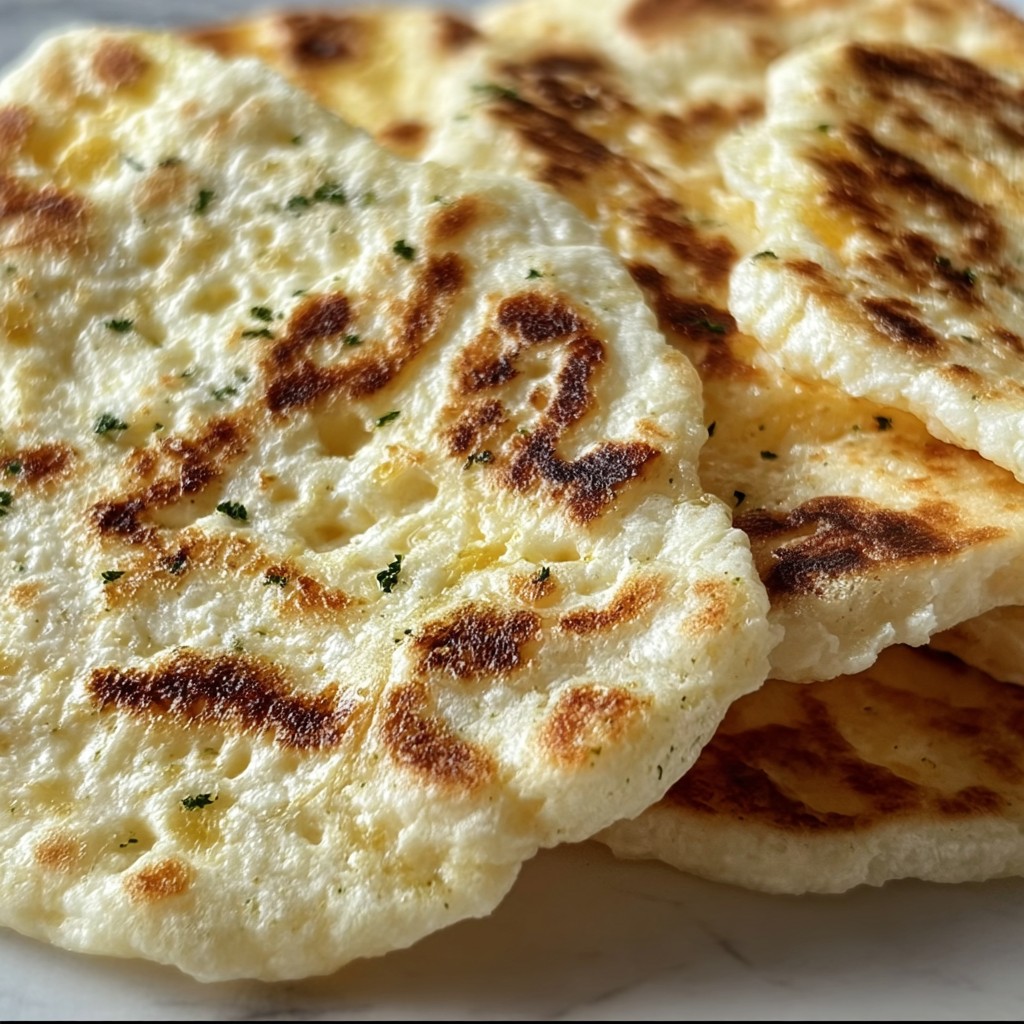
- Don’t worry if it gets a bit brown on the edges. Actually, I like those bits best.
- I tried doubling the eggs once and ended up with a sort of… egg pancake thing (not flatbread). It tasted ok but not the vibe I wanted.
- Sometimes, I toss in a spoonful of leftover mashed potato—don’t ask me why, but it works!

How I’ve Mixed It Up (Variations That Worked… and Didn’t)
- Chopped fresh herbs – dill, parsley, chives. Man, it’s fresh as spring.
- A tiny bit of za’atar or everything bagel spice. Gets a little addicting, just saying.
- Once tried coconut flour for a GF friend, but it tasted, honestly, like warm sawdust. Wouldn’t recommend, unless you’re coconut-flour-or-bust.
- Cheddar shreds in the batter – so cheesy, but does make it stick more. Be sure to grease well.
Do You Really Need Fancy Equipment?
I use a baking tray and parchment paper, but you can totally get away with just a frying pan. I’ve used a pizza stone once (very posh moment) but regular oven tray wins for me—nothing fancy. Seriously, I once made these while camping, just a nonstick skillet and a wooden spoon—came out well enough to impress at least two hungry teenagers.
Storing These (Good Luck With That)
These keep in the fridge for about two days in a zip bag. Though honestly, in my house, there usually aren’t any leftovers to store—if I manage to stash one away, it’s a miracle. I like reheating them in a toaster for a bit of extra crunch, or even cold, which is perfect picnic food.
How I Serve My Flatbread (and How You Might Like It)
We usually pile ours up with soft scrambled eggs and a chunk of avocado (sometimes a dash of hot sauce if I’m feeling brave). My mate Alex swears by hummus and roasted veg, and I’ve used these as a pizza base too—gets a little floppy, but honestly, fun. Dunked in tomato soup on a chilly day? Bliss.
What I Wish Someone Had Told Me (Pro Tips)
- I once tried to rush them out of the oven after 10 minutes—big mistake. Go for patience, or they’ll stick and tear.
- If your cottage cheese seems super wet, drain it a bit or add flour—or risk getting soggy-bottom flatbread (been there).
- And if you forget to grease the tray—trust me, I’ve had to soak dishes for ages after. Do yourself a favor: parchment or a good slick of oil.
Real Questions I Actually Get (And My Not-So-Formal Answers)
- Can I freeze these? Sort of. They get a bit chewy when thawed, but stick them in the toaster and they’re almost as good as fresh.
- Do they taste eggy? Not really, but if you’re super sensitive, add a little dried herbs or garlic powder and it vanishes.
- Can I make these vegan? I tried vegan cottage cheese and flax eggs – honestly, edible but not quite the same. Worth a go if you’re experimenting, but don’t blame me if it’s weird, ok?
- Can I use Greek yogurt instead of cottage cheese? Actually, yes. It’s a bit less fluffy but still makes an ace flatbread. Reminds me more of a pancake, but sometimes that’s perfect.
- My mixture looked too runny but baked up fine – is that normal? Oh totally. It always looks a bit odd before it cooks up; mine usually does the same, and it still comes out tasty.
If you fancy more quirky bread ideas, I’m forever scrolling actual home cook blogs like Smitten Kitchen and finding myself lost in their comments sections for way too long… so, if you get hooked on this, you know where to wander next.
Ingredients
- 1 cup cottage cheese (full fat or low fat)
- 2 large eggs
- 1/2 cup oat flour (or all-purpose flour)
- 1/2 teaspoon baking powder
- 1/4 teaspoon salt
- 1/4 teaspoon garlic powder (optional)
- 1 tablespoon fresh chopped chives (optional)
- Cooking spray or oil for pan
Instructions
-
1Preheat your oven to 375°F (190°C) and line a baking sheet with parchment paper. Lightly grease with cooking spray or a little oil.
-
2In a medium bowl, add cottage cheese, eggs, and oat flour. Mix well until a smooth batter forms. Stir in baking powder, salt, and garlic powder. Fold in chives if using.
-
3Divide the batter into 4 portions and spoon onto the prepared baking sheet. Use the back of a spoon to spread into flatbread shapes about 1/4-inch thick.
-
4Bake for 16-18 minutes, or until golden around the edges and set in the center. For extra browning, broil for an additional 1-2 minutes.
-
5Let cool slightly before removing from the tray. Serve warm or at room temperature.
Approximate Information for One Serving
Nutrition Disclaimers
Number of total servings shown is approximate. Actual number of servings will depend on your preferred portion sizes.
Nutritional values shown are general guidelines and reflect information for 1 serving using the ingredients listed, not including any optional ingredients. Actual macros may vary slightly depending on specific brands and types of ingredients used.
To determine the weight of one serving, prepare the recipe as instructed. Weigh the finished recipe, then divide the weight of the finished recipe (not including the weight of the container the food is in) by the desired number of servings. Result will be the weight of one serving.
Did you make this recipe?
Please consider Pinning it!!
Leave a Comment